7 Things You Must Know If You Want To Become Their Favorite Human Being
(...Even If They're Currently Underappreciating you)

Did You Know Psychological Experiments Have Found A Direct Correlation Between The « She Gets Me » Feeling And The Perceived Value of The Relationship?
How Much Do You Really Know Your Friends?
Can You Relate?
''It's like everything I say gets lost in translation. What I say and what they hear are two completely different things. And yes, I do understand what they're saying, but it has nothing to do with what I asked.But the worst part is I don't think I even get to be one third of who I truly am around them.They could shower me with compliments, but commenting on my beauty, competence or my accomplishments doesn't affect me affect me on any level.All I want is to know I have a positive impact on others lives, nothing more.So, I feel sad because deep down I know I have the potential to be the person who brings joy to others effortlessly, but I have no Idea how to even be myself...''- Amelia, 29 years old.

Psychology has an explanation, yet NO ONE ever mentions it... until now:
The Giving Trap
People fall into the giving trap when they give what they consider as valuable, instead of what the receiver appreciates the most.And as counter intuitive as it is, most of the time you have to give something you wouldn’t like to receive, or wouldn’t necessary value.But when you help someone who values their independence and ability to figure things out by themselves, deep down, he doesn’t like the fact that you’re helping because you’re taking away their self-assigned value.Of course, because they understand how hurtful it can be to tell someone their help is not valued, they’ll never tell you.So that’s something you’ll have to figure out by yourself (or, you know, continue reading…)
This Is Caused by Not Being Able To Answer These 7 Deeply Personal Questions
#1 -How does your friend filter information? What causes her to be disengage from conversations?#2 -In which conversation type is your friend most herself?#3 -How does she measure her own self-worth?#4 -How can you add to her self-worth?#5 -Which type of support does she actually need?#6 -On what do you need to focus on for her to accept and appreciate your feedback?#7 -What is their behavioral patterns?
Step 1 - Identify Her Filter Question
(free download available)
Ever had someone talk to you for over 10 minutes and felt like they didn’t tell you anything and forgot their words 3 seconds after hearing them?When you listen to others, you (either subconsciously or even unconsciously) try to answer specific questions to gauge whether what you’re hearing is relevant or not.You might be making the mistake of sharing how you feel about a situation for 3 minutes straight, and your listener is still trying to find out why you’re sharing it to them in the first place.Saying « I feel sad that you didn’t come to the party last Friday » doesn’t mean anything to them because they want to know why it even matters in the first place.As long as they don’t have a why, they won’t feel compelled to engage fully in that conversation.It doesn’t even need to be a big reason, but simply an answer as to why their presence to Friday took away from your joy. « I’m sad you didn’t come to the party last Friday » + why = « the vibe isn’t as good when you’re not there ».It really is that simple.The point is that, they don’t see things like you do. Your focus is on how their absence affected you emotionally, and they view it as « why is my presence important to a party full of people ».Focus is everything.One person will focus on different things within the same sentence than another person. Same words, different meaning.With the following information, you’ll have all the tools you need to look what are people’s filters when taking in information by how they respond to questions, and what is the first thing they start with when sharing information.***It is important for you to consider that you may have many of these filter questions. However, the goal of this section is to help you identify the most important one.(In other words, which filter question that, if remained unanswered, causes an individual to want to disengage from a conversation)
You see, communication seems complicated to those who do not understand the fundamentals.And knowing that your message (intention) is encoded by your words and decoded by the listener's ears should indicate that if the other person has a different meaning for your chosen words, misunderstanding (or even conflict) will creep in.
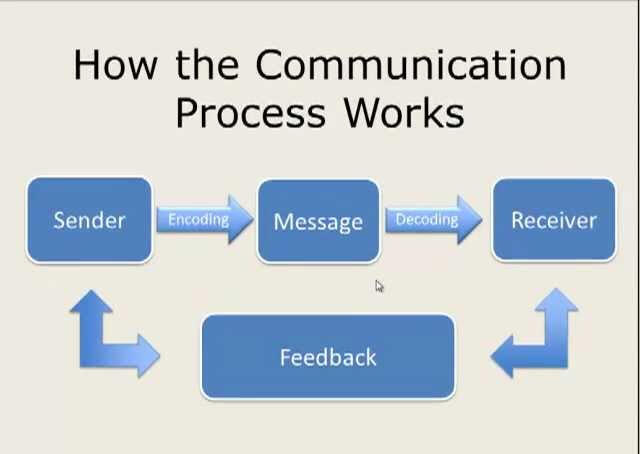
The decoding process happens by subconsciously answering filter questions that, if the answers don't satisfy the receiver's question, causes the receiver to block the communication process with the sender.Here's the 11 questions used by people to filter information:
#1 - What’s the intention behind this?
Wants to know why you’re telling them the information in the first place.- What’s your goal?
- What do you want from me?Blocks: hidden agendas and second intentionsOpens up: Transparency, straightforwardness, honesty
#2 - Why is this relevant?
Wants to know why they should care about what you say.- How is this applicable in this situation?
- What impact does this information has?Blocks: trivial conversations, information without contextOpens up: Clear contextual application, substance, practicality
#3 - Are you being real?
Tries to find out whether you’re being your authentic self or not.- Is this really what you think or are you just trying to appear good to others?
- Are you more concerned with the unfiltered truth or with your image?Blocks: Superficial, copycat, insecure, lack of assertivenessOpens up: Assertiveness, owning up, confidence, Independent thinking
#4 - Are you serious?
Wants make sure that you mean what you say- Do you mean what you say?
- Is this really what you think?Blocks: Sarcasm, satire, insecurityOpens up: Honesty, realism, assurance, assertiveness
#5 - Is this proven?
Wants to know if the information is science backed or what factual information is behind this- Can you « fact-check » what you’re telling me?
- What’s your proof?Blocks: Independent thinking, untested methods, unknown frameworksOpens up: Tried and true methods, Familiarity, Reliable sources
#6 - Is this socially acceptable?
Wonders if what you say plays well socially- Does this contribute to social harmony?
- Are you considering the potential impact of your actions on others?Blocks: Arrogance, Insensitive, Inconsiderate, self-centeredOpens up: Kind, Inclusive, Helpful, Emotional expression
#7 - When???
Tries to organize events in a mental timeline (usually a secondary attribute of impulsive people)- When did this happen?
- When will this happen?Blocks: Not mentioning time, vague, ambiguity, lack of actionabilityOpens up: Clear indication of timeline, specific deadline, timeframe
#8 - What’s the return on investment?
Evaluating the potential gain from taking action or listening to someone- What do I get out of this?
- What doors does this open?Blocks: Irrelevance, Lack of opportunity, Waste of time, Not being considered/taken seriouslyOpens up: Purposefulness, Insights, Opportunity to gain
#9 - How are you feeling?
Tries to identify what emotions people are feeling in order to sympathize- How does this affect your emotional well-being?
- What emotional states are at play here?Blocks: Repression of emotions, Insensitive, StoicismOpens up: Emotional expression, Vulnerability, Transparency
#10 - Am I being considered here?
Tries to assess social image and whether people respect their self-assessed importance- How do you perceive me?
- What’s my influence here?Blocks: Being overlooked, Disrespect, Defiance, IgnoringOpens up: Center of attention, Praise, Gifting, Obedience